
Flexibility, Recovery, and Healing Naturally
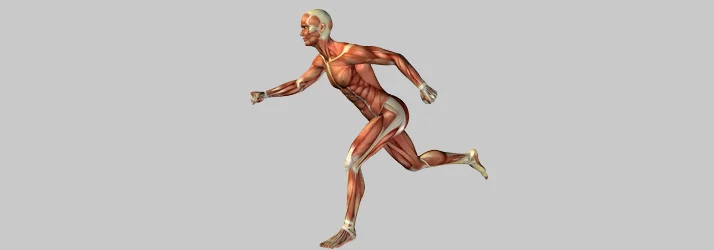
In today’s fast-paced world, many people live in a constant cycle of stiffness, soreness, and fatigue. Whether it’s from long hours at a desk, intense workouts, repetitive stress, or old injuries, the body often responds by tightening up and moving less efficiently. The good news is that the body was designed to heal, adapt, and move well — when given the right input.
True flexibility and recovery are not about forcing muscles to stretch harder or masking pain with medication. They come from restoring balance within the nervous system, improving movement patterns, activating the right muscles, and supporting the body’s natural healing process.
Most people think flexibility simply means “stretching more.” But flexibility is actually the nervous system allowing movement. When muscles feel unsafe, unstable, weak, or overworked, the brain creates tension as protection. This is why many people stretch constantly yet still feel tight. Often, the problem is not the tight muscle itself — it’s the opposing muscle group that has become weak or inactive.
The body works through opposing muscle systems:
- Flexor muscles pull the body forward
- Extensor muscles oppose flexor muscles and help stabilize, open, and support posture
Modern life heavily favors flexor muscle dominance: sitting, driving, looking at your phone, working on a computer, cycling, and “stress” posture. Over time, the hip flexors, chest, neck, and front shoulder muscles become tight and overactive. Meanwhile, the glutes, upper back, core stabilizers, and posterior chain (a group of muscles on the backside of the body, spanning from the heels to the neck) become weak or inhibited. The results: reduced mobility, poor posture, muscle tightness, joint stress, increased injury risk.
One of the most effective ways to improve flexibility is not by aggressively stretching tight muscles, but by activating the opposing extensor muscles.
For example:
- Tight hip flexors often improve when the glutes are strengthened
- Tight shoulders improve when upper back muscles are activated
- Tight hamstrings may release when the core and glutes function properly
When the body feels stable, the nervous system allows muscles to relax naturally. Static stretching has its place, but stretching without correcting muscle imbalance is like pulling on one side of a tangled rope. If muscles are tight because they are protecting instability, forcing them to lengthen may only create temporary relief. The body responds best to balance, not force.
Recovery Is More Than Rest
Recovery is where progress happens. During exercise, the body experiences stress and microscopic tissue breakdown. Recovery is the rebuilding phase where muscle is built. Unfortunately, many people interrupt this process by immediately suppressing inflammation and pain signals without addressing the underlying dysfunction. While there are situations where medical intervention is necessary, relying heavily on braces, ice, and pain medication can sometimes delay the body’s natural healing process.
Ice has long been promoted as the standard treatment for injury, but newer perspectives on recovery recognize that inflammation is actually part of healing. Inflammation brings blood flow, nutrients, immune cells, and repair mechanisms to the injured or overused area. Excessive icing may reduce circulation and slow tissue repair in some cases. Movement often helps tissues heal better than immobilization alone.
Braces can be useful temporarily after serious injury or surgery, but long-term use may weaken the body’s own stabilization systems. When external support constantly replaces muscular support stabilizing muscles become less active, proprioception (the body's ability to sense its own movement, position, and orientation in space without needing to rely on vision) decreases, and the body relies on the brace instead of rebuilding strength. The goal should always be to restore the body’s natural stability whenever possible.
Pain is communication from the body. While medication may provide temporary relief, it does not correct the cause of dysfunction. If movement patterns, muscle imbalances, joint restrictions, or poor recovery habits remain unchanged, the pain often returns. Natural recovery focuses on identifying and correcting the source of stress rather than simply silencing symptoms.
Better Strategies for Recovery and Healing
Before stretching tight muscles, activate the opposing muscle group. Go for a walk at an easy pace or gently ride the bike. You may have heard of doing a “warm-up” before beginning your workout routine. It means you warm up or activate your muscles before beginning your activity. Mobility combines strength and movement control through a range of motion. Mobility teaches the brain that movement is safe. Mobility also increases blood circulation. Healing requires blood flow. Therefore mobility helps with healing. Other ways to support blood circulation include walking, light movement, hydration, deep breathing, massage, and gentle mobility work. The body heals better when tissues receive oxygen and nutrients.
Chiropractic Care and Movement Recovery
Proper spinal and joint movement plays a major role in flexibility and recovery. Restrictions within the spine and joints can alter muscle activation patterns, increase compensation, and limit mobility. Chiropractic care can help improve joint motion, reduce nervous system stress, enhance movement efficiency, support posture, and improve recovery capacity
When combined with corrective exercise and healthy recovery habits, chiropractic care can help the body function more efficiently and naturally.
The Goal Is Resilience
The healthiest bodies are not the ones that never experience stress or injury. They are the ones that adapt well, recover efficiently, and maintain balanced movement. Flexibility is not about being able to touch your toes. Recovery is not about eliminating every discomfort instantly. True health comes from teaching the body to move, stabilize, heal, and adapt the way it was designed to. When you strengthen weak areas, restore proper movement, support the nervous system, and trust the body’s healing processes, flexibility and recovery become long-term outcomes — not temporary fixes.
Dr. Jerry Tyjeski has been a Chiropractor in Beaver Dam for over 30 years and is the founding Dr. at Tyjeski Family Chiropractic. He has been strength training for over 40 years. The last 15 years, he has been focusing on strength and endurance training and competes internationally at Kettlebell competitions. He has a passion for physical fitness and enjoys helping people find the path to health and wellness.
Yours in Health,
Dr. Stephanie Tyjeski
Dr. Stephanie graduated in December 2016 with her Doctorate in Chiropractic at Logan University. She continued on at Logan University to receive her Masters in Nutrition and Human Performance. She is also certified as a Digestive Health Professional through the Loomis Enzyme Institute. She currently works at Tyjeski Family Chiropractic and Wellness Center where she offers personalized nutritional counseling.